24小时点赞自助服务抖音,真的有效吗?
Unlocking the Power of 24-Hour Like Automation on 抖音
The Rise of 24-Hour Like Automation on 抖音
In the fast-paced world of social media, where engagement is king,抖音 (Douyin) has emerged as a dominant platform for content creators. With millions of users actively posting content, the competition for views and likes is fierce. This has led to the rise of 24-hour like automation services, offering content creators a way to boost their engagement statistics. But what exactly is 24-hour like automation, and how does it work on 抖音?
How 24-Hour Like Automation Works on 抖音
24-hour like automation involves using specialized software or services to generate likes on a 抖音 account at any time of the day. This continuous flow of likes can help content creators maintain high engagement levels, which in turn can lead to better visibility in the platform's algorithmic feed. Here's a breakdown of how it typically works:
- Account Verification: The service first verifies the authenticity of the 抖音 account to ensure that the automation process is legitimate.
- Targeted Likes: The system then targets specific content based on user preferences, interests, or hashtags, ensuring that the likes are relevant and come from users who are likely to engage with the content.
- Continuous Operation: Unlike manual likes, which can be sporadic, 24-hour like automation services work continuously, providing a steady stream of likes throughout the day and night.
- Analytics and Reporting: Many services also offer analytics and reporting features, allowing content creators to track the performance of their content and adjust their strategy accordingly.
Benefits and Risks of 24-Hour Like Automation
While 24-hour like automation can offer significant benefits to 抖音 content creators, it's important to consider both the advantages and potential risks:
- Benefits:
- Increased Visibility: Continuous likes can boost a content creator's visibility, potentially leading to more followers and higher engagement.
- Competitive Edge: In a crowded market, 24-hour like automation can provide a competitive advantage.
- Time Efficiency: Content creators can focus on content creation rather than manually engaging with their audience.
- Risks:
- Account Suspension: 抖音 has strict policies against automated likes, and using such services can lead to account suspension.
- Quality Concerns: Artificial likes might not always translate into real engagement, and the quality of content could be overlooked.
- Brand Perception: Using automation services could negatively impact the brand's image, especially if followers discover the practice.
In conclusion, 24-hour like automation on 抖音 can be a powerful tool for content creators looking to boost their engagement and visibility. However, it's crucial to weigh the potential benefits against the risks and ensure compliance with 抖音's terms of service to maintain a healthy and authentic presence on the platform.
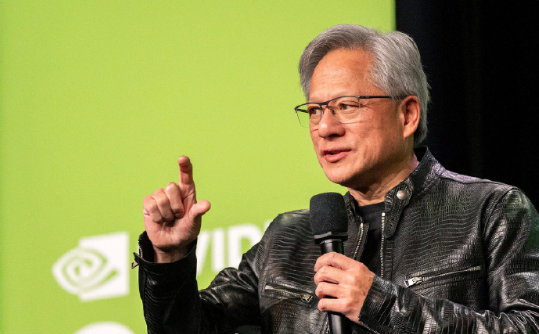
当地时间周一,英伟达首席执行官黄仁勋表示,受Anthropic公司的Claude Code、OpenAI公司的OpenClaw等工具落地应用的推动,未来约两年内,人工智能芯片领域的营收预计至少将达到1万亿美元。
黄仁勋在这场硅谷举办的、市值达4.5万亿美元的半导体巨头英伟达的旗舰级GTC大会上表示:“以我目前的判断,到2027年,该领域营收至少能达到1万亿美元。”他还补充称,自己“确信”实际需求会远超这一数字。
黄仁勋此番表态后,英伟达股价一度上涨逾2%,但这份涨势未能持续,最终收于其演讲前的价格下方。
近几个月来,市场对人工智能基础设施巨额投资的回报前景心存疑虑,中东地区的冲突对半导体供应链构成威胁,且英伟达产品所需的存储芯片出现短缺,种种因素之下,黄仁勋此前发布的乐观业绩预测始终未能打动华尔街。
此次英伟达公布的营收预期远超华尔街市场共识,这也是该公司释放的最新信号——其押注人工智能热潮将持续升温。
作为先进人工智能芯片的最大供应商,英伟达借此一跃成为全球市值最高的企业。
深水资产管理公司管理合伙人Gene Munster表示,围绕英伟达的长期增长潜力,投资者的担忧已让该公司股价遭遇“阻力墙”。
他称:“黄仁勋主题演讲的核心结论是:市场需求的强劲程度,甚至超出了最乐观的预期,而投资者仍难以接受这一事实。”
此前,基于英伟达最新的Blackwell和Rubin系列硬件产品“极具确定性的市场需求和采购订单”,黄仁勋曾预测,截至2026年底,人工智能相关业务带来的营收将达到5000亿美元。
而此次公布的1万亿美元人工智能硬件营收预期,已远超华尔街对英伟达总营收的普遍预估。
据资本智商公司数据显示,分析师对英伟达2027和2028财年(截至2028年1月底)的总营收预估合计约为8350亿美元。
黄仁勋表示,Anthropic公司的Claude Code等热门工具的普及,加之市场对“推理计算”的需求攀升,推动了算力需求的持续增长——所谓推理计算,即运行人工智能模型及相关应用的过程。
在这场时长两小时的主题演讲中,黄仁勋宣布了一系列新举措,涵盖自动驾驶出租车合作项目,以及一款专为轨道数据中心设计的芯片;轨道数据中心这一概念由埃隆・马斯克提出,是其整合SpaceX与xAI人工智能公司核心愿景的一部分。
他还发布了旗下全新芯片产品——Groq 3“语言处理单元”,该芯片专为提升人工智能系统对用户指令的响应速度而设计。
这一举措表明,英伟达正试图突破此前仅依靠单一图形处理器支撑人工智能工作负载的发展模式,通过探索新型芯片架构,巩固其在人工智能芯片市场的领先地位。
黄仁勋称:“Groq 3芯片目前已进入量产阶段,将于2026年下半年出货,大概率在三季度。”
他还透露,这款芯片将由韩国三星电子代工生产——这对英伟达而言是一次新的尝试,此前该公司的人工智能处理器通常由代工。这也是英伟达去年年底与芯片初创企业Groq达成授权合作后推出的首款新产品,根据该合作协议,英伟达还聘请了Groq创始人Jonathan Ross,后者曾参与人工智能芯片的研发工作。
该消息发布后,三星电子的股价周二在韩国市场一度上涨4%。
黄仁勋表示,随着越来越多企业开始采用OpenClaw等个人人工智能助手工具,推理计算的重要性还将进一步提升。
今年 2 月,OpenAI公司聘请了OpenClaw的创始人Peter Steinberger。OpenClaw是一款开源授权的免费工具。
黄仁勋将OpenClaw与一众支撑起科技行业发展的开源工具相提并论,其中包括如今主导数据中心领域的Linux操作系统,以及让浏览器得以加载网页的超文本传输协议。他表示:“这就是新一代的计算机。”
英伟达正为OpenClaw的智能助手底层开发一款名为“NemoClaw”的软件层,该公司称,这款软件将为OpenClaw搭建起其标准版产品目前所缺失的隐私与安全防护机制。